



If your dog limps after a long walk, your cat seems stiff getting into the litter box, or your horse feels “off” after training, you’re not alone. Millions of pets face arthritis, injuries, and recovery challenges every year. Enter Pulsed Electromagnetic Field (PEMF) therapy—a non-invasive, drug-free modality that’s moving from performance-horse barns into everyday pet homes. With convenient new options like the Earthband pet clip-on (designed to attach easily to collars for dogs, cats, and even horses), PEMF is becoming an accessible tool for proactive wellness.
But what can PEMF realistically do for your pet? Let’s explore the practical benefits backed by veterinary research and real-world use
Understanding PEMF in Simple Terms
PEMF delivers gentle electromagnetic pulses that mimic the Earth’s natural fields. These pulses reach deep into tissues, stimulating cells to work more efficiently. At the cellular level, PEMF enhances blood flow, reduces inflammatory mediators, supports tissue repair, and may even help regulate pain signaling—without any heat, vibration, or discomfort. Rehab
Veterinarians increasingly recommend it as part of multimodal pain management because it’s safe for long-term use and complements medications, physical therapy, and lifestyle changes.
Key Practical Benefits for Common Pet Conditions
-
Arthritis and Joint Pain Relief
Osteoarthritis affects up to 20% of dogs and a significant portion of senior cats and performance horses. Studies in dogs with knee and hip OA show PEMF can reduce lameness, improve gait symmetry, and sustain pain relief longer than some NSAIDs in follow-up periods. One pilot study found 20 sessions produced measurable improvements in mobility and owner-reported quality of life. For horses, PEMF has shown temporary reductions in OA-related lameness, helping maintain training schedules. Cats may also benefit, with ongoing research exploring PEMF for age-related joint discomfort Vetmed.agriculturejournals Thehorse
-
Faster Post-Injury and Surgical Recovery
After orthopedic surgery or spinal procedures, inflammation and pain can slow healing. In dogs recovering from intervertebral disc surgery, targeted PEMF reduced incision pain, lowered inflammatory markers, and sped proprioceptive recovery. Bone-healing studies in canines demonstrate quicker callus formation and earlier weight-bearing with consistent PEMF use. Horses recovering from fractures or tendon injuries have long used PEMF mats or blankets, with industry surveys reporting perceived faster return to work. Sciencedirect Rehab Trace,tennessee
-
Wound Healing and Soft-Tissue Support
Chronic wounds or post-op incisions heal faster with PEMF in some animal models. By improving circulation and reducing swelling, the therapy supports the body’s natural repair mechanisms—valuable for active dogs prone to hot spots or horses with saddle sores.
-
Performance and Stress Management in Horses
Competitive horses often receive whole-body PEMF sessions before or after events. Surveys show trainers and owners note improved relaxation, stride length, and reduced soreness. While cortisol data is mixed, behavioral improvements (more relaxed posture) are commonly reported. ScienceDirect
-
Overall Wellness and Quality of Life
Beyond targeted issues, PEMF may support energy levels, immune balance, and even anxiety-related behaviors in some cases. One device line (targeted PEMF) has shown promise for separation anxiety in dogs by modulating brain inflammation pathways.
Safety, Ease of Use, and Integration into Daily Life
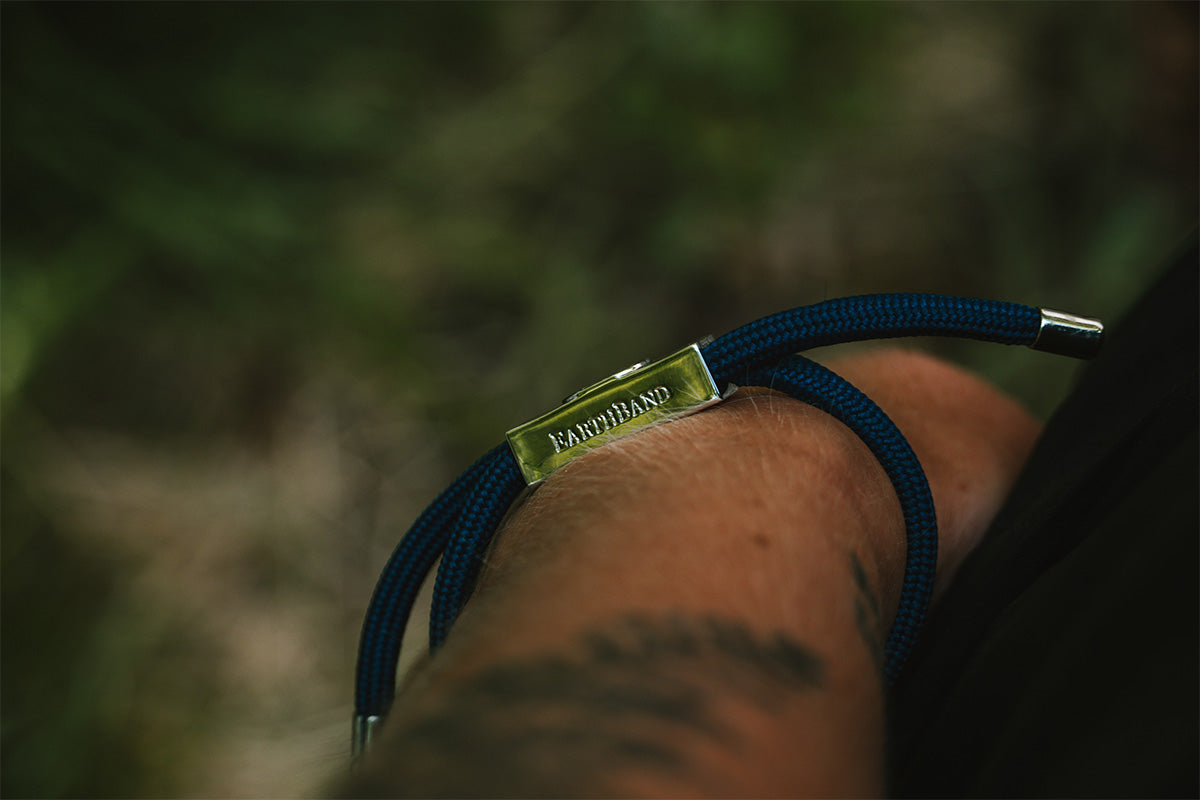
PEMF has an excellent safety profile—no reported adverse effects in reviewed veterinary studies. It’s painless and can be applied while pets rest or play. Traditional clinic-based machines work well, but wearable technology is changing the game. The new Earthband pet version clips discreetly onto a collar, delivering consistent PEMF exposure during normal activities. This “set-it-and-forget-it” approach makes it practical for busy pet parents and ideal for chronic conditions requiring ongoing support.
Always start with a veterinary exam to rule out contraindications (e.g., pacemakers or certain implants, though rare in pets) and confirm the best protocol for your animal’s size, breed, and condition.
Real-World Success Stories and Veterinary Adoption
Veterinary rehabilitation specialists report using PEMF alongside laser therapy, hydrotherapy, and weight management for superior outcomes. Equine sports-medicine vets have relied on it for decades to keep athletes sound. Pet owners often notice subtle changes first: a dog that jumps onto the couch more easily, a cat that grooms without hesitation, or a horse that finishes workouts with less stiffness.
The Future of PEMF in Pet Care
While more large-scale studies are needed—especially for cats and standardized equine protocols—the existing research and widespread clinical use suggest PEMF is here to stay. As devices become more affordable and user-friendly, it’s poised to become a staple in preventive and restorative pet wellness.
If your pet deals with joint stiffness, slow recovery, or simply needs an edge for an active lifestyle, PEMF offers a science-backed, gentle option worth discussing with your vet. With the Earthband pet clip-on launching soon, delivering these benefits at home has never been easier.
Ready to explore how PEMF could support your furry (or equine) family member? Talk to your veterinarian about incorporating this innovative therapy today.



Share:
The Science Behind PEMF Therapy: What Research Reveals About Its Healing Potential for Dogs, Cats, and Horses